
About Us
Mission Statement
Its first-class competence portfolio puts TUM in an excellent starting position to play a leading role in the future field of Educational Technologies:
- TUM has an outstanding teaching and research base with its references in computer science, mathematics, electrical engineering and information technology (TUM School of Computation, Information and Technology) and learning and educational research (TUM School of Social Sciences and Technology)
- TUM has an outstanding teaching and research base
- TUM has pioneering fields of application in undergraduate university teaching (BSc/MSc), teacher training, management-based continuing education (executive education) and medicine
- TUM is embedded in a leading European network of technology companies, and
- as one of the most entrepreneurial universities in Europe, it is an internationally visible launch pad for high-growth technology start-ups (TUMentrepreneurship, TUM Venture Labs).
Director
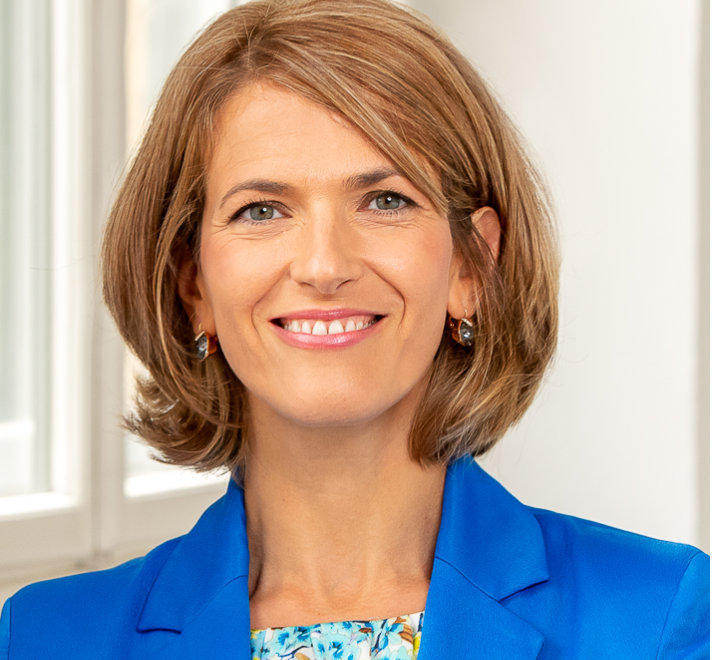
Prof. Dr. Enkelejda Kasneci
More about Prof. Dr. Enkelejda Kasneci
Human-Centered Technologies for Learning
Enkelejda Kasneci is a Liesel Beckmann Distinguished Professor for Human-Centered Technologies for Learning. From 2019 until 2022, she was Professor for Human-Computer Interaction at the University of Tübingen. As a BOSCH scholar, she received her M.Sc. degree in Computer Science from the University of Stuttgart in 2007. In 2013, she received her PhD in Computer Science from the University of Tübingen and was awarded with the Südwestmetall Research Prize. She was a Margarete-von-Wrangell Fellow from 2013 to 2015 and assistant professor at the University of Tübingen from 2015 to 2019. Her research evolves around Human-Centered Technologies and AI systems for everyday life, and especially in the context of learning. From 2016-2021 she served as Junior Fellow to the German Informatics Society. She is academic editor for PlosOne and TPC member of several major conferences and journals in the areas of Human-Computer Interaction, Human-Centered AI, and Eye-Tracking.
Executive Board
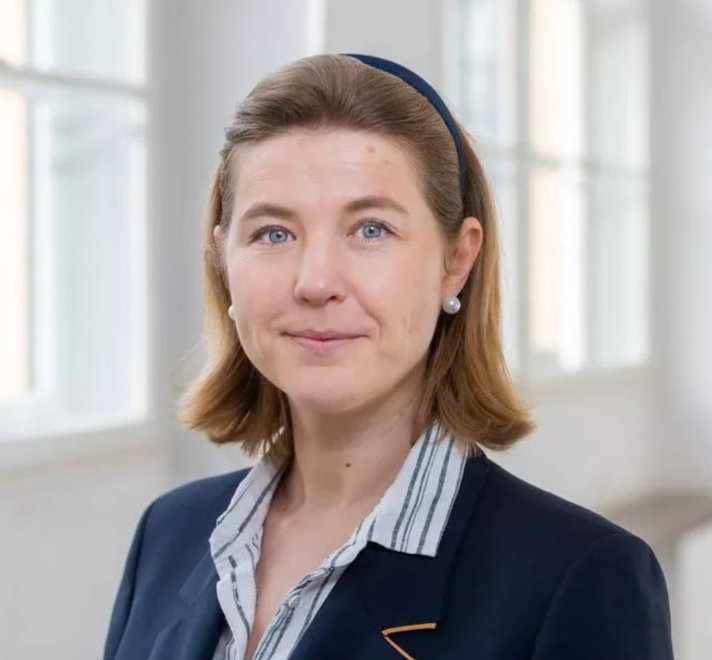
Prof. Dr. Oleksandra Poquet
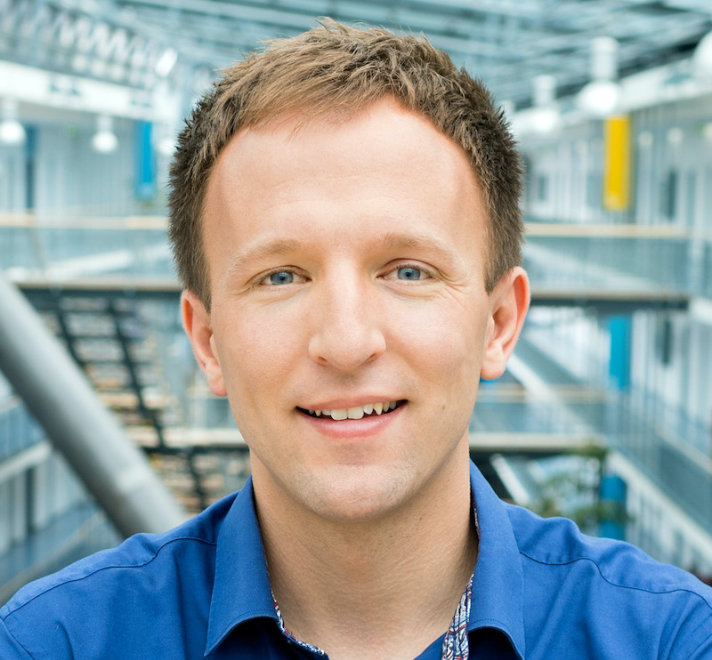
Prof. Dr. Stephan Krusche

Dr. Anely Bekbergenova

Dr. Andreas Fleischmann
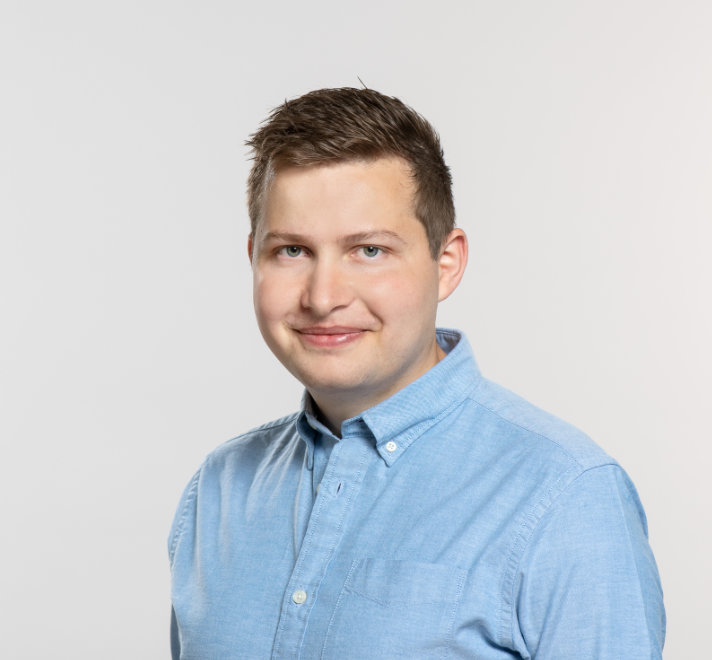
Prof. Dr. rer. nat. Tilman Michaeli
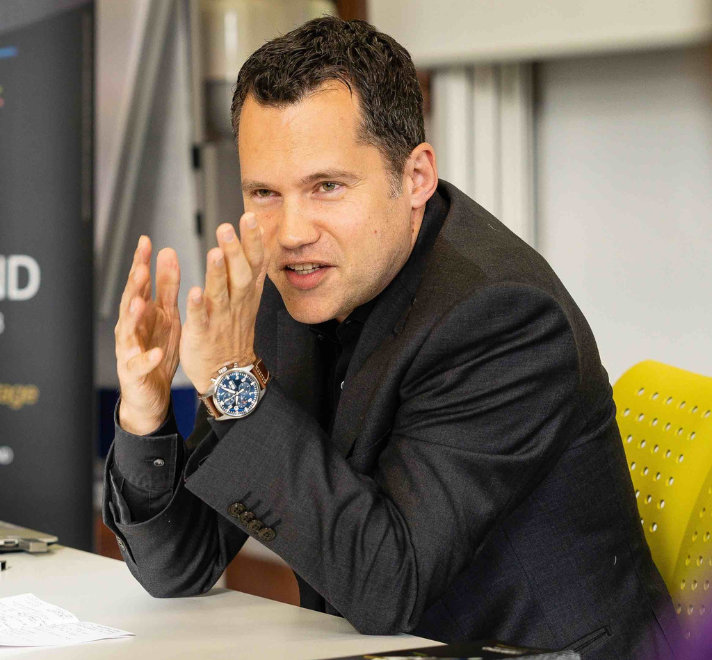
Prof. Dr. med. Pascal Berberat
The EdTech Center Team
Dr. Nađa Terzimehić
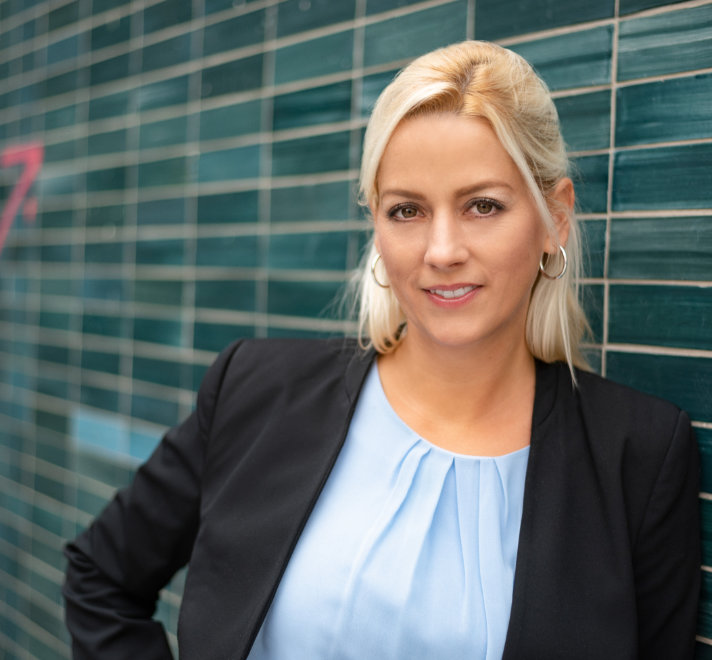
Dr. Katharina Willis

Talissa Stadler
Advisory Board
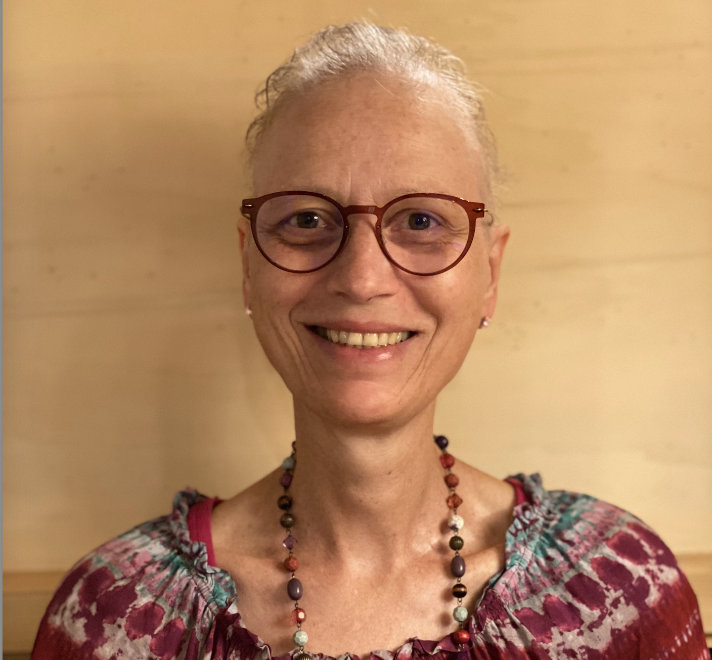
PDr. Andrea Martin
Through her global network and role in the IBM Academy of Technology, she constantly converses with international experts on AI topics. This also includes discussing ethical issues in the AI environment to build trust in the technology in society and the economy.
More about Dr. Andrea Martin
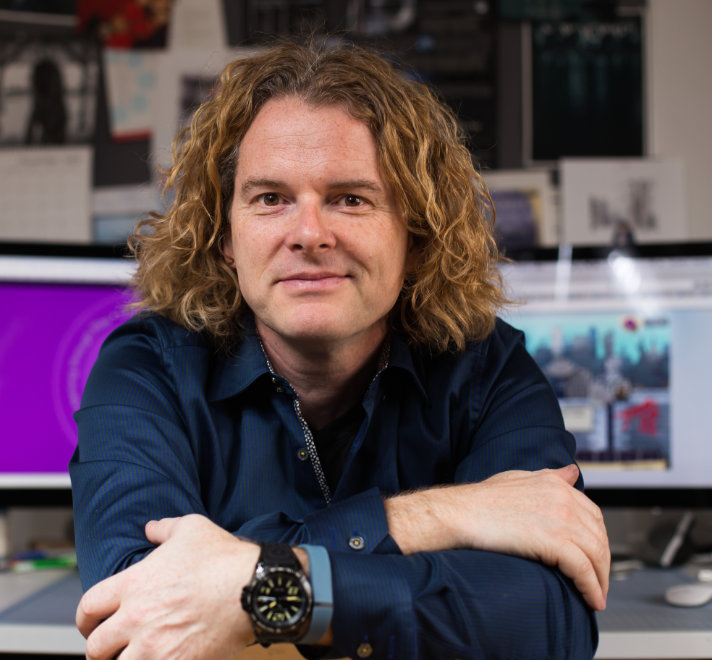
Prof. Dr. Jan L. Plass
He integrates cognitive science, learning sciences, computer science, and design to shape the future of learning with digital technologies, focusing on simulations, games, and XR. Dr. Plass speaks and advises globally, aiding governments and businesses in enhancing lifelong learning through digital solutions grounded in cognitive and learning sciences.
More about Prof. Dr. Jan L. Plass
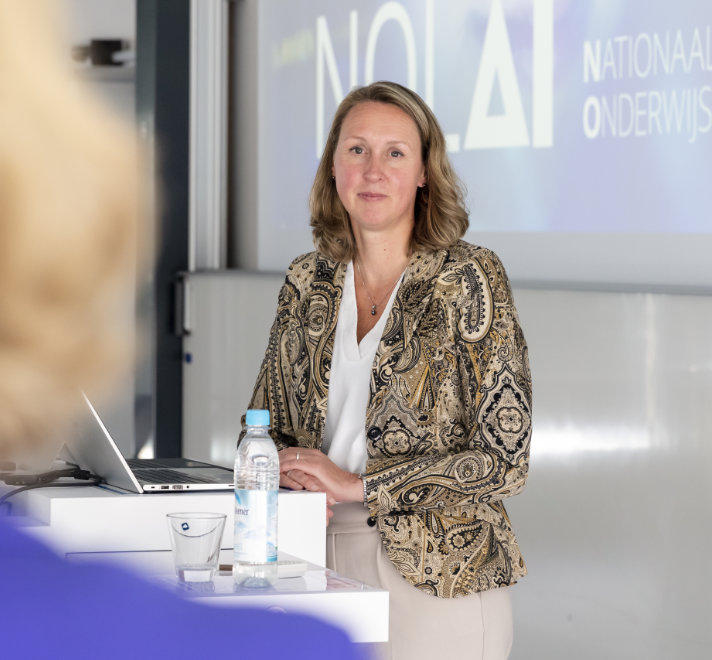
Prof. Dr. Inge Molenaar
With over 20 years of experience as an entrepreneur and academic, her research focuses on developing new technologies using data-driven methods and AI to enhance learning in primary and secondary education.
More about Prof. Dr. Inge Molenaar
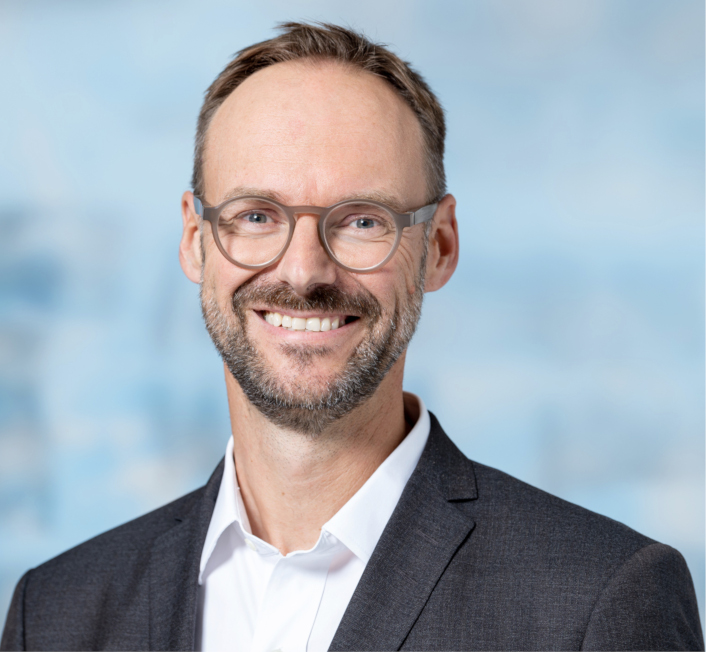
Prof. Dr. Dominik Petko
His research focuses on technology integration in K12 education. His projects explore the complex interplay of innovative technologies, teachers’ knowledge and beliefs, teacher education, and the educational context of student learning. He serves on numerous policy and practice advisory boards, including the Education Council of the Canton of Zurich.
More about Prof. Dr. Dominik Petko

Prof. Dr. Fabrizio Palmas
With a vital Business Administration and Computer Science background, Prof. Dr. Palmas leads an interdisciplinary team at straightlabs, an EdTech award-winning leading company, developing innovative training formats from concept to implementation. By leveraging their expertise, straightlabs has successfully established itself as a pioneer in the EdTech industry.
More about Prof. Dr. Fabrizio Palmas

Sylke Wischnevsky
Sylke Wischnevsky has extensive experience in school development and public administration. After her studies, she worked as a teacher and took leadership roles in the Bavarian State Ministries of the Interior, Education, Culture, Science and Arts. She has been a member of the TUM University Council since 2013 and was awarded the TUM Max-von-Bauernfeind-Medaille in 2016 for her work in the cooperation of higher school education and university. She now continues to bring her advisory expertise to the TUM School of Social Sciences and Technology.
More about Sylke Wischnevsky
Former Members
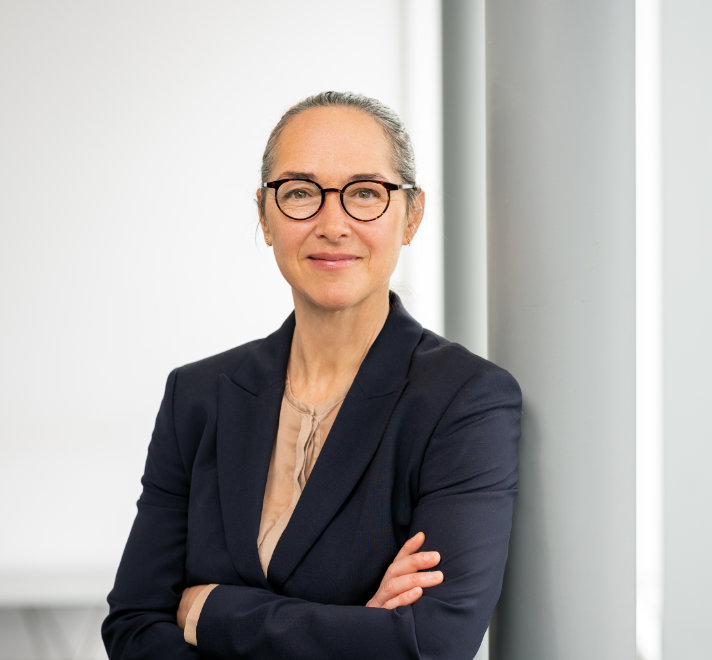
Prof. Dr. Tina Seidel
Former Co-Director & Co-Founding Member


Annika Schneeweiss
Former Scientific Coordinator
Fellows & Community
In this way, they support the university-wide use of TUM educational technologies in their respective schools and provide the EdTech Centre with appropriate feedback.
Professors
Research interests in educational technologies:
Teaching-learning dynamics, the intersection of Psychology and Educational Science, new technologies for effective learning environments, educator-learner interactions, innovative approaches through digitalization
Prof. Dr. Gjergji Kasneci, Professor of Responsible Data Science
Research interests in educational technologies:
Transparency, robustness, bias, and fairness in machine learning algorithms and ethical, legal, and societal considerations to use artificial intelligence responsibly for the benefit of individuals and society
Prof. Dr. Anna Keune, Professor of Learning Sciences and Educational Design Technologies
Research interests in educational technologies:
Learning sciences and design, design technologies and materials, gendered materiality in STEM, inclusive educational materials in STEM learning, transforming and widening STEM participation
Prof. Dr. Doris Lewalter. Professor of Formal and Informal Learning
Research interests in educational technologies:
Design of media-supported learning environments, conditions and development of learning motivation, use of extracurricular learning environments in formal school education, teaching-learning processes in formal learning settings, evaluation of informal learning environments
Prof. Dr. Obersteiner, Professor of Mathematics Education
Research interests in educational technologies:
Eye-tracking in mathematical learning and development, mathematical cognition and mental representation of numbers, teacher diagnostic competencies
Prof. Dr. Jürgen Pfeffer, Chair of Computational Science
Research interests in educational technologies:
An empirical focus on diverse textual and relational data from social media data to legal and policy documents, methodological and theoretical innovation, a critical perspective on data and algorithms to improve the quality of research, interdisciplinary approaches, international collaborations to improve access to data and insights from diverse scholarly communities around the world
Dr. David Plecher, Associate Professor of Augmented Reality
Research interests in educational technologies:
Learning in games and mixed reality, flow, and immersion
Prof. Dr. Eveline Wittmann, Chair of Vocational Education
Research interests in educational technologies:
Technology-supported modeling, measurement and professional and professional action skills, vocational training concepts for digital transformation, digitization and bureaucratization of vocational school centers
PD Dr. Dr. med Alexander Zink, Consultant at the Clinic and Polyclinic for Dermatology and Allergology
Research interests in educational technologies:
Digital Medicine, Dermatoinfectiology, Public Health
Academic staff
Research interests in educational technologies:
Technology Enhanced Learning, Blended Learning Theory of e-learning, Professional Development ICT in Education, E-Learning in Higher Education, Mobile Learning, Instructional Technology
Dr. Babette Bühler, Chair of Human-Centered Technologies for Learning
Research interests in educational technologies:
AI in Education, Mind Wandering, Multimodal Machine Learning
Dr. Christian Kosel, Chair of Educational Psychology
Research interests in educational technologies:
Student-Teacher Interaction, Diagnostic Competence, Eye-Tracking Methodology, Professional Vision
Ben Lenk-Ostendorf, ProLehre
Research interests in educational technologies:
Climate protection and gamification, educational technologies, Course design, workshops, and consulting gamification in higher education, project management of AI tutoring program (student assistants who support teachers in integrating artificial intelligence into their teaching)
Johannes Reifenrath, Medical Education Center
Research interests in educational technologies:
Development of ILVI-App for interdisciplinary medical healthcare, MATLAB, Fluorescence microscopy, Raman Microscopy
Dr. Markus Siewert, Professorship of Policy Analysis
Research interests in educational technologies:
Case Studies, QCA, party competition, digitalization, AI Governance Comparative Public Policy, Comparative Politics
Sofie Schönborn, Chair of Public Policy, Governance and Innovative Technology
Research interests in educational technologies:
Data policies and the intersection between governments, private and public sector
Dr. Emanuel Schreiner, Executive Assistant to the Senior Executive Vice President Human Resources, Administration & Finance
Research interests in educational technologies:
Innovative use of applications in VR
Denis Sedlmeier, ProLehre
Research interests in educational technologies:
Remote labs, digital lab didactics, hybrid teaching, and artificial intelligence in university teaching
Dr. Leah Sharp, ProLehre’s eScout Academy
Research interests in educational technologies:
project management, e-learning, curriculum development, instructional design, educational consulting
Dr. Nađa Terzimehić, Chair of Human-Centered Technologies for Learning
Research interests in educational technologies:
Informal and mobile learning, ubiquitous computing, multimodal LLMs, digital wellbeing, AI literacy
Solar Membership
Get your individual membership in the Society for Learning Analytics and Research for free and learn about using data in learning and teaching!
SOLAR – the Society for Learning Analytics and Research is a leading scholarly society and a network of people passionate about using data collected by technologies to improve teaching and learning. The Society holds an annual conference (Core A*, ACM) which gathers over 600 people. The Society runs a free open access journal that is indexed in all major databases.
Having a membership offers you a unique opportunity to learn more about this dynamic modern area of data science in the context of teaching and learning. If you are interested in making this an important area of your own work, individual membership allows you to build your network or connect with like-minded individuals.
As an individual member via EdTech Centre
- you receive free membership in Solar
- you get a discount to attend the conference, which takes place annually in March, and allows for both online and face-to-face participation
- you can apply up to 50% scholarship to attend Learning Analytics Summer Institute held internationally every June
- you can get involved with the scholarly community by joining SIGs
- you will receive a newsletter with various podcast, webinar, and job opportunities
- you can get involved in governance of the Society, vote for elections, involved in working groups – these are relevant if you have staff who wants to work in this area as they allow for networking opportunities within the Society.
- The Society offers a range of services and activities, such as in-cooperation events, etc., which are on the website under the community tab.
If you or anyone you know (your team or other) are interested in receiving the individual membership, please send an email to office.lea@sot.tum.de specifying your name and a brief reason for your interest in receiving a membership. We will contact you back with the instructions on how to proceed.